
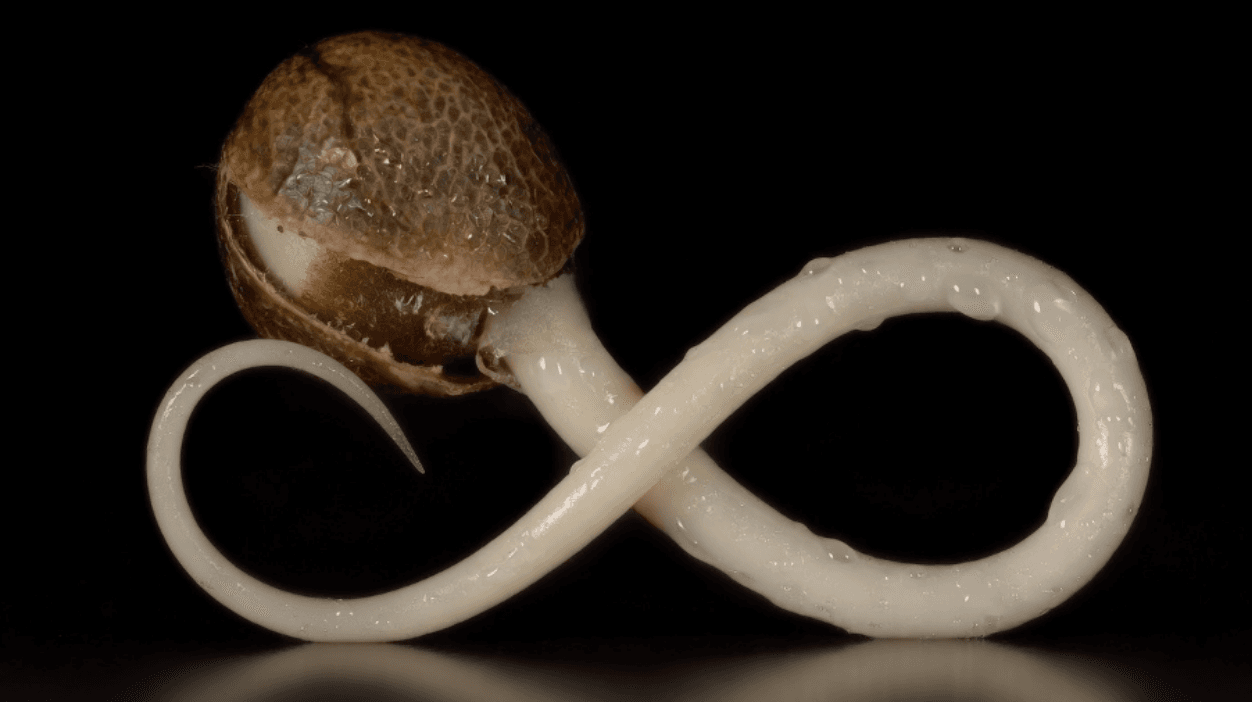
“Cannabis Inherits Its Future” is a three-part feature covering the science, the bottlenecks and the path forward for cannabis breeding.
Part 1 — The Genetic Legacy Loop — covers how cannabis went from thousands of years of open-pollinated diversity to one of the narrowest commercial gene pools in modern agriculture. What that costs. And why it matters now.
PART 1 of 3
THE GENETIC LEGACY LOOP
In This Article
Virtually every named cultivar on every dispensary shelf was found, not designed
The Flower–Pharma Contradiction
Cannabis is being asked to do two jobs at once, and the genetics that win one don’t necessarily win the other. As a recreational flower, it is judged on cultivar name, flavour, and other craft-flower aesthetics. As a regulated medicine, it has to deliver chemotype consistency, batch reproducibility, and a pharmacopoeial-grade monograph. The gene pool the modern industry inherited was bred almost entirely for the first job. It is being asked, now, to deliver the second.
The pharmaceutical cannabis template was set by HortaPharm and later GW Pharmaceuticals. This work figured out which genes control which cannabinoids — why one plant makes THC and another makes CBD (the B locus), what produces CBG-dominant plants, and what determines whether a plant makes the rarer propyl cannabinoids like THCV and CBDV. For the first time, cannabis chemistry could be described in terms regulators understood: heritable, defined, ownable.
From that breeding program came eight distinct chemotype clones — plants producing significant quantities of THC, CBD, CBG, CBC, THCV, CBDV, CBGV, CBCV, plus a zero-cannabinoid type — but only two approved medicines came out of that work. Sativex (nabiximols) is a fixed-ratio botanical extract for spasticity in multiple sclerosis. Epidiolex, approved by the FDA in June 2018 is a purified cannabidiol oral solution. Both treat the flower as an industrial intermediate — a bioreactor for cannabinoid mass, the way poppies are for opioid alkaloids. In 2021, Jazz Pharmaceuticals acquired GW for roughly $7.2 billion, pricing the demonstration that cannabinoid medicines could trade at pharmaceutical scale.
But the medicinal market that actually emerged looks almost nothing like the GW pipeline. Across Germany, Australia, the UK, Israel and much of Latin America, dried flower is the dominant SKU. Patients carried recreational preferences across the clinical line: branded cultivar names, potency, terpene complexity, aroma, colour and other visual aesthetics, dosing by joint or vaporiser. Most “medicinal” cultivars now in production are recreational lineages in GMP packaging, sold through a clinical channel. Med, in other words, is quasi-rec.
The breeding logic that suits an extract pipeline is not the breeding logic that wins a flower SKU war. Pharma wants extractable cannabinoid mass and reproducibility through a validated monograph. Patients want what the rec market taught them to want. The next decade will decide whether the industry builds genuinely medicinal cultivars from the ground up, or quietly concedes that the patient is a connoisseur and breeds accordingly.
From Landraces to the Modern Menu
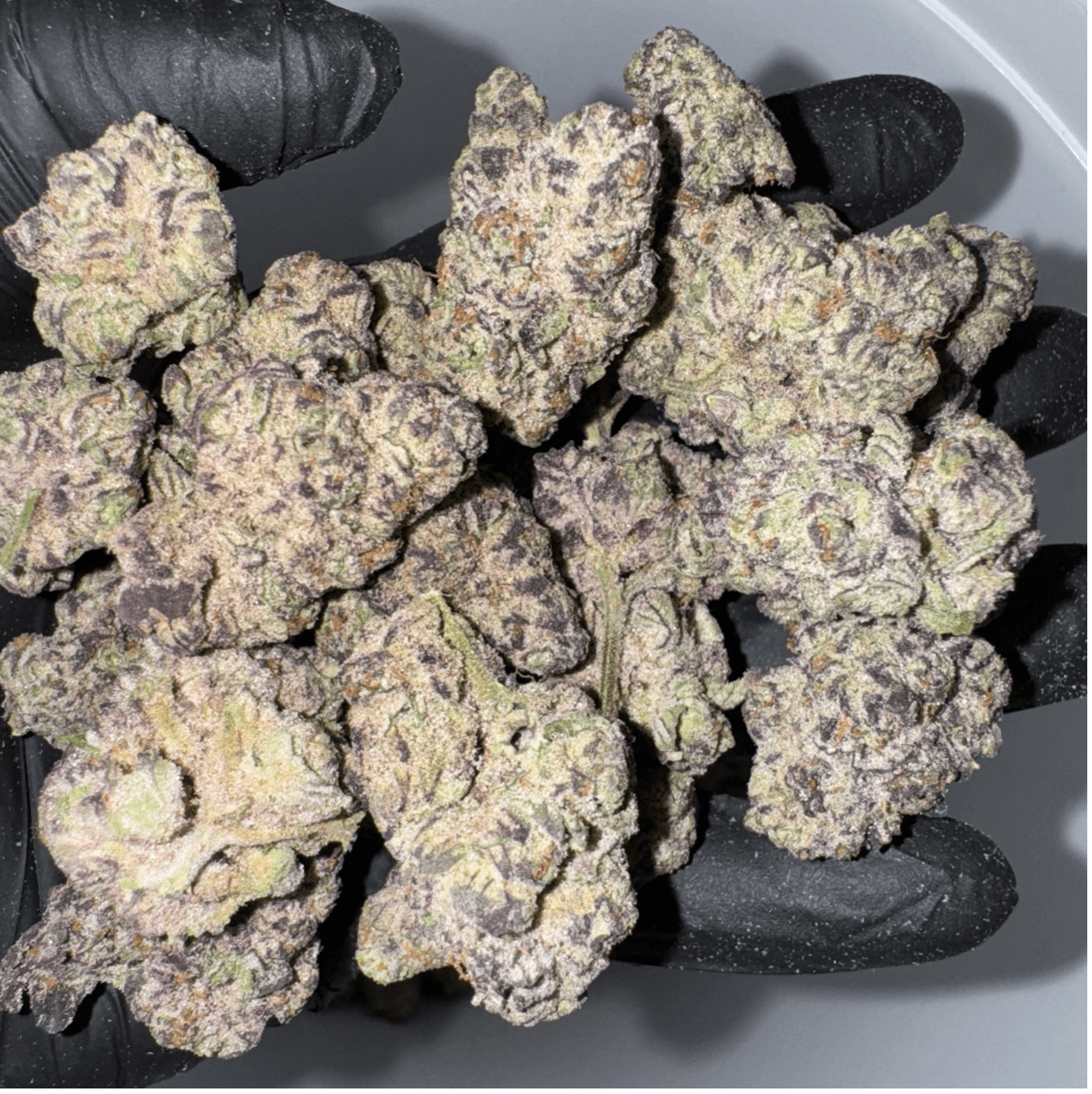
Cannabis travelled with humans for roughly 12,000 years before anyone deliberately bred it. A 2021 whole-genome study of 110 plants placed its domestication origin in early Neolithic East Asia — not, as long assumed, Central Asia. Farmers across what is now China, the Indian subcontinent, the Hindu Kush corridor, sub-Saharan Africa and, later, the Americas selected locally — fibre length here, seed oil there, resin yield somewhere else — and the plant did the rest. The result was a global patchwork of landraces: regionally adapted, genetically diverse populations that drug-era breeders would later prospect for traits.
Deliberate hybridisation began in the 1970s, when smugglers and back-to-the-landers in California, Oregon and the Pacific Northwest started crossing imported landraces in earnest. Skunk #1, purportedly released around 1978 by David Watson (“Sam the Skunkman”) and the Sacred Seeds collective, was a stabilised three-way cross of Afghani, Acapulco Gold and Colombian Gold, and remains the genetic substrate for, conservatively, half of everything sold in dispensaries today. Haze, Northern Lights, Hindu Kush and the early Afghani indicas arrived in the same window.
Reagan-era enforcement pushed breeders north into British Columbia and across the Atlantic to the Netherlands, where the Dutch coffeeshop era stabilised and distributed the founders through Sensi, Dutch Passion and the rest of the Amsterdam seed banks. The centre of gravity returned to North America in the early 2000s — specifically to the clone-only culture of California’s Emerald Triangle. Cookies, Gelato, OG Kush and their thousands of offspring now define the contemporary commercial palate.
Virtually every named cultivar on every dispensary shelf was found, not designed. The method is phenotypic selection — what breeders call “pheno-hunting”. A breeder makes a cross, pops a few hundred to a few thousand seeds, and walks the canopy looking for the one in five hundred that does something interesting. Trichome coverage, structure, terpene aroma, internode spacing, finishing time, yield, and — once labs got cheap — cannabinoid content is scored by bench assay. The keeper is cloned and run again under standardised conditions. The “winner” becomes the mother plant, and her cuttings supply commercial production for years.
The method is well-matched to a clonally propagated, highly heterozygous species: a single elite individual can be vegetatively perpetuated almost indefinitely. OG Kush, GG#4, Wedding Cake and Zkittlez all began as selected individuals from a seed population, then were frozen in time as clones.
Where pheno-hunting breaks is at the next generation. The “winner” is heterozygous; her seeds will not breed true. There are no documented records of why she won, no markers to track the favourable alleles into a downstream cross, and no way to combine her best traits with another mother’s except by making the cross and pheno-hunting another two thousand seedlings. Space, especially indoors, puts a limit on how many cannabis plants can be screened — 5,000 seedlings would be considered large for most serious programmes, while a commercial maize breeder routinely screens hundreds of thousands of lines per cycle across multi-location field trials. Two pheno-hunters working the same population will intuit different keepers, and neither will be able to articulate exactly why. The craft has produced extraordinary plants. It has not produced a system that efficiently compounds gains across generations.
Why Cannabis Doesn’t Breed True
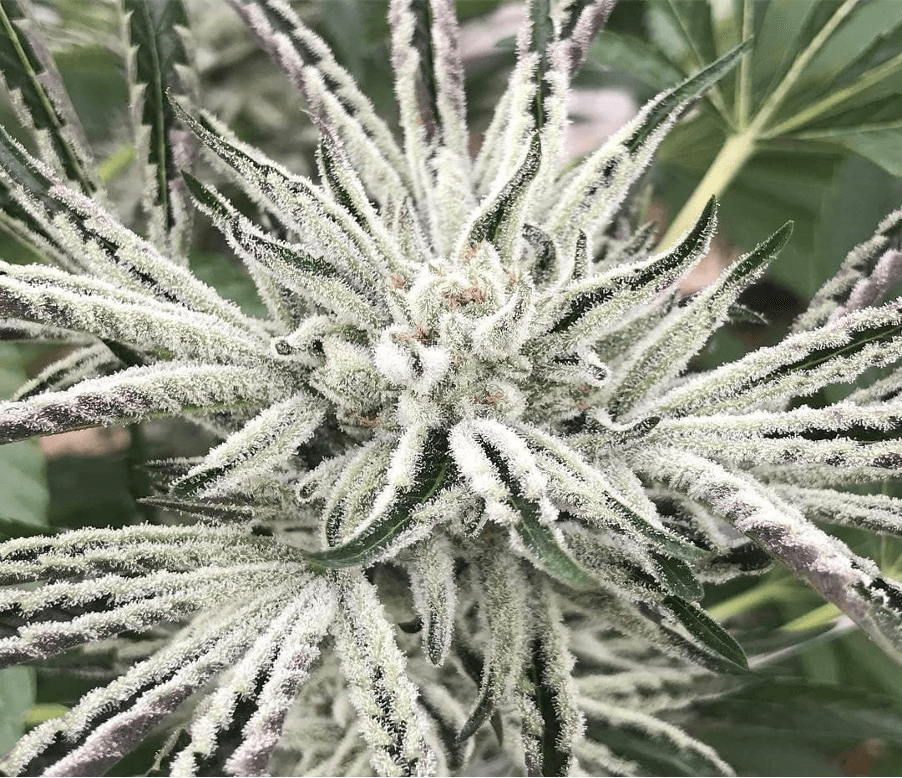
A short detour explains why pheno-hunting is necessary in the first place. Every gene in a diploid plant comes in two copies — one from the mother, one from the father. When the two copies are identical, the gene is homozygous; when they differ it is heterozygous. Cannabis, on account of a long breeding history of outcrossing rather than inbreeding, is genetically mixed across almost its entire DNA: at most genes, the two copies a plant carries are different versions of the same gene.
This is the technical reason a packet of “Wedding Cake” seeds rarely produces ten plants that look like Wedding Cake. The two parents were both heterozygous; sexual reproduction shuffles their copies of each gene like a deck of cards into pollen and ovules; every seed in the packet is a new lottery ticket. Pop ten and you get ten siblings — not ten clones.
This is also why elite mothers are perpetuated as cuttings, not as seed, and why a serious breeding programme — the kind that produces the F1 hybrid maize seed sold to every commercial maize farmer on Earth — invests heavily in stabilising parent lines. An F1 hybrid is the cross between two genetically uniform (near-homozygous) parents; because both parents are stable, every seedling from the cross is genetically near-identical to its siblings, and the whole packet grows out the same way. (The F2 generation, raised from F1 seed, splits into mixed trait combinations again — the F1 itself is uniform but heterozygous, so its own offspring shuffle once more. This is why farmers buy F1 seed every year rather than saving their own.)
Getting to two stable parents in cannabis is hard. The classical route is recurrent selfing, backcrossing or sib-crossing — typically five to seven generations with selection at each cycle, which slowly drives heterozygosity down toward homozygosity. The catch is that locking in random versions of genes throughout the plant’s DNA can mean losing the original phenotype along the way; you may arrive at a stable line that no longer resembles the elite mother you started from. Marker-assisted backcrossing shortens this by tracking the wanted alleles directly, but only works for traits with known genetic markers. Doubled haploids — the technique that transformed maize line development from six years to one year — can collapse the timeline entirely, but the usual techniques have not worked well in cannabis. The first reports of successful doubled haploid production via anther culture — growing stable plants from the flower’s pollen-producing tissue — have only emerged in the last two years. When the technique cracks at commercial scale, “stable” will mean something different in this industry.
We are not there yet.
The Cookies Bottleneck
Here’s a distinction worth holding onto: Cannabis sativa as a species is not genetically narrow. Commercial weed is.
The most comprehensive cannabis genetics study to date — a master reference genome built from 193 plants, spanning hemp, drug-types, feral populations, and wild Asian material — describes the species as “surprisingly diverse,” with large-scale rearrangements and differences in DNA structure across million-letter stretches of the genome. The plant has plenty of genetic raw material. What the commercial market has done is fence off a tiny corner of that diversity and breed almost exclusively within it.
How narrow? A 2024 study of 176 drug-type samples from Canada’s legal market measured how quickly inherited stretches of DNA break apart across the genome — a proxy for how much genetic reshuffling has occurred in a population’s history. Commercial cannabis carried much larger unbroken chunks than feral US cannabis or Iranian landraces. By this measure, the modern commercial pool is roughly ten times narrower than the older material it descended from.
The strain names don’t help. A 2015 study read the DNA profiles of 81 drug-type and 43 hemp samples using over 14,000 single-letter DNA variations and found that what you’re buying as “Blue Dream” from one grower may be genetically unrelated to “Blue Dream” from another. A 2019 study of 122 dispensary samples confirmed it — major genetic differences between plants sold under the same name, and no clear genetic basis for the Sativa/Indica/Hybrid categories that dominate retail shelves. A 2022 follow-up showed the mismatched samples didn’t just differ in their DNA — they smelled different too.
A 2020 fingerprinting study of 681 cultivars from licensed growers in Canada and Nevada found that beneath the branding, most commercial drug-type cannabis belongs to a small number of closely related genetic families. Industry observers have documented the same pattern — just a handful of cultivars dominate growing operations across the entire post-prohibition landscape. The labels are varied. The genetics behind them are not.
A 2025 review in the Journal of Experimental Botany puts the consequence bluntly: intense selection for maximum THC under controlled indoor conditions, combined with repeated inbreeding between already closely related plants, has produced what the authors call “spoiled” cultivars — high-yielding, high-potency, but genetically fragile and running low on the variation breeders need for disease resistance, stress tolerance, or novel traits.
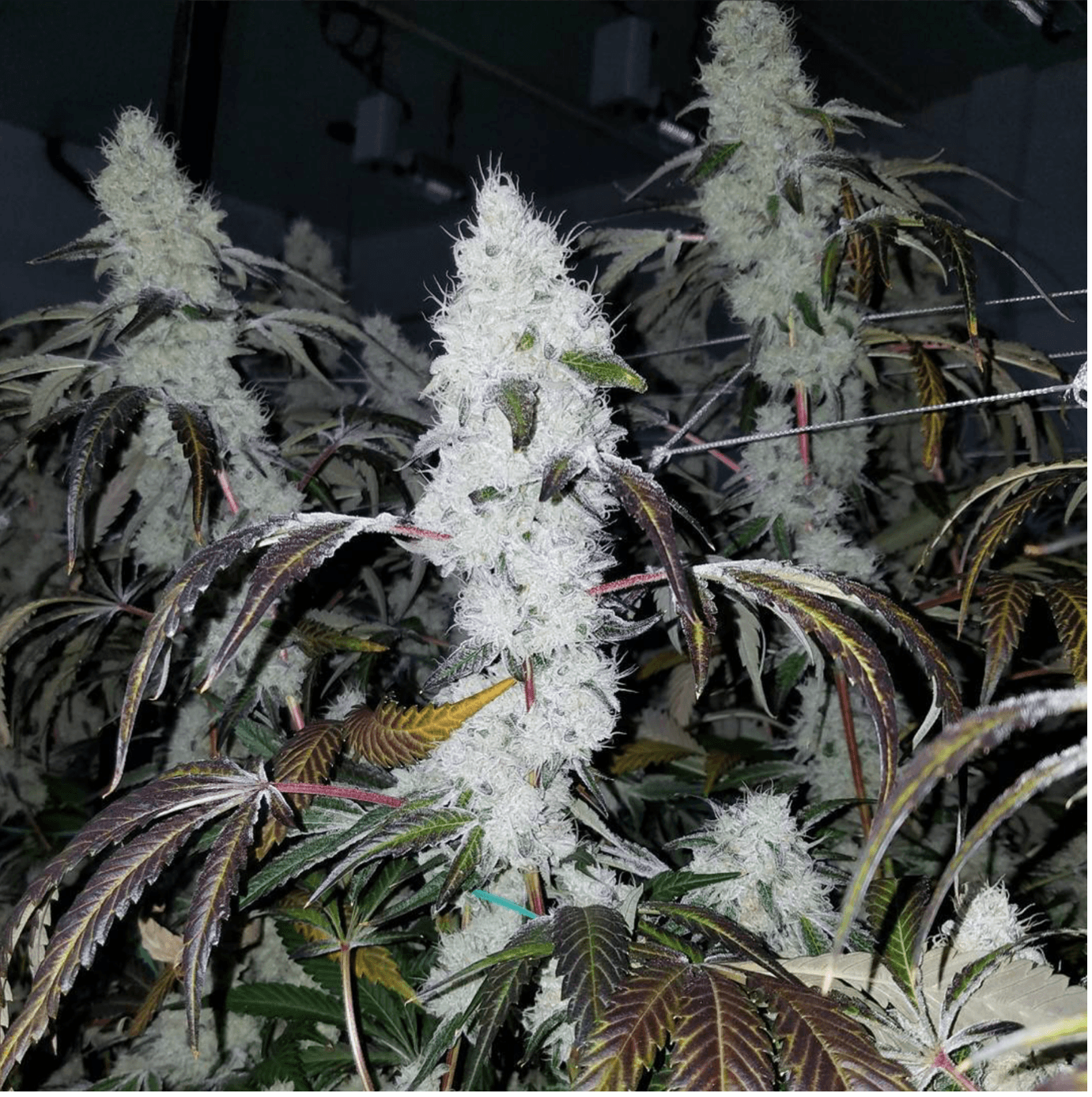
What breeders call the “Cookies bottleneck” — the repeated recycling of Cookies, OG Kush, Chemdog/Sour Diesel and their descendants — is shorthand for what the literature now describes more precisely: a commercial gene pool that behaves less like an open crop-improvement programme than a closed, fashion-driven studbook. Winners are crossed back into winners, closely related material is recycled, and the next viral cultivar is often another remix of the same families. The dispensary wall has the appearance of limitless variety; the underlying breeding pool is much narrower.
What Inbreeding Costs
A narrow gene pool becomes a problem when it produces inbreeding depression — the loss of vigour, health and productivity that follows when close relatives are crossed for too many generations.
The clearest cost is disease susceptibility. Resistance to powdery mildew in cannabis can hinge on a single gene — researchers have mapped two, called PM1 and PM2, each capable of conferring strong resistance on its own.
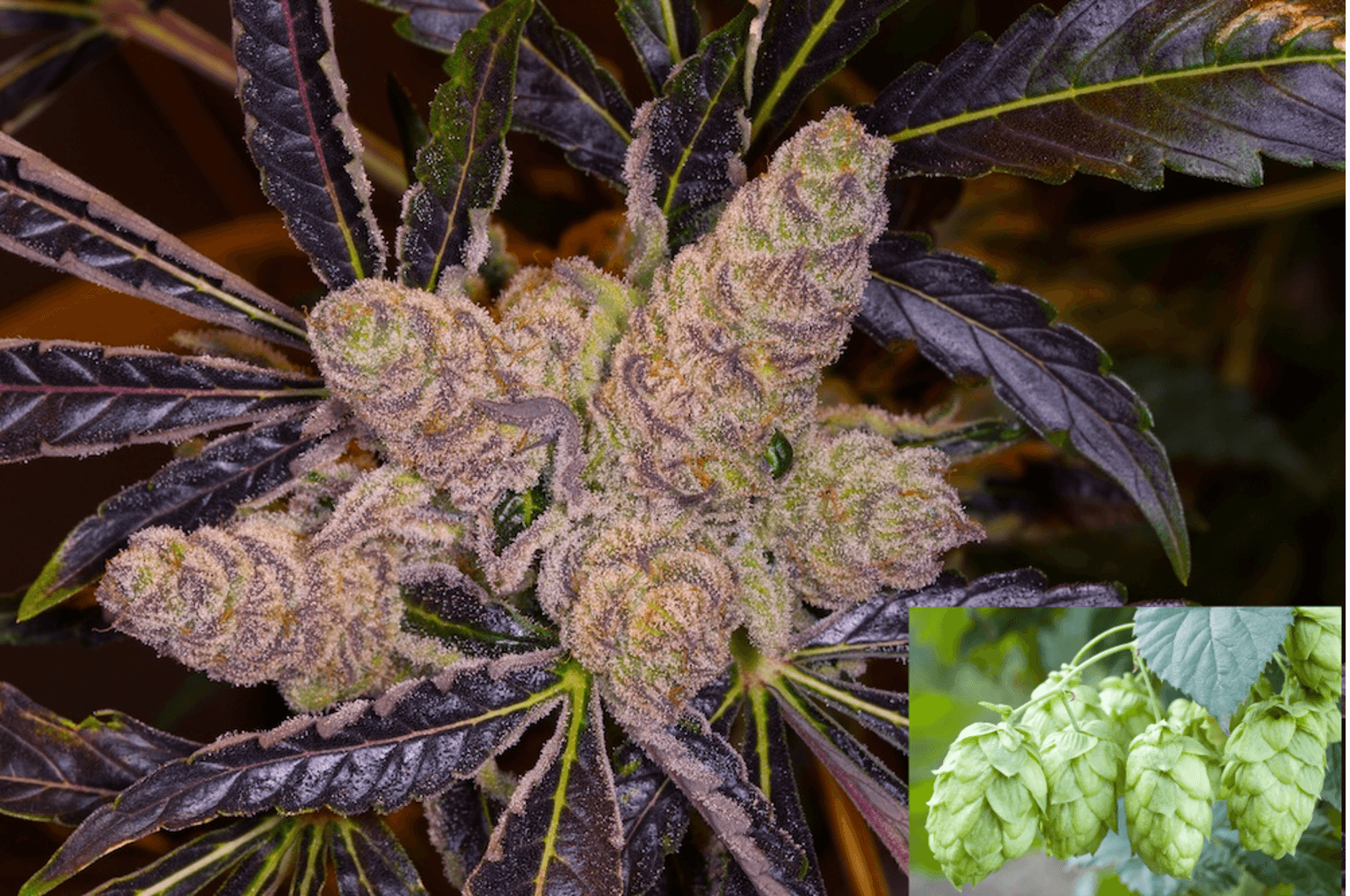
Single-gene resistance is brittle: when most commercial cultivars are close relatives, a new mildew strain that overcomes that gene doesn’t stop at one cultivar — it moves through the whole catalogue. Resistance to broader threats — Botrytis (bud rot), Pythium (root rot), Fusarium (wilt) — is governed by many genes acting together, harder to pin on genetic uniformity alone. But the industry’s reliance on cloning from a small number of mother plants amplifies whatever does get in: one contamination event in one mother room can cascade through every facility running that cut. Hop latent viroid — now endemic in commercial cannabis — is the starkest example; early research at Colorado State University suggests that genetically diverse hemp varieties may resist what narrowly bred clonal cannabis cannot.
Unstable sex expression — hermaphroditism, “nanners,” intersex flowering — is another trait breeders consistently associate with intensive inbreeding and selection bottlenecks. Published studies document intersex expression and pollen viability issues in cannabis, but a clear statistical link between intersex rates and inbreeding depth has not yet been established (the peer-reviewed data is thin).
Over the longer term, the cost is a ceiling on improvement. Rearrange the same alleles in increasingly elaborate ways and you get cultivars that smell different to the marketing team, yet new “fire” looks suspiciously like old fire. The terpene wheel spins, the jar labels change, but the plant’s actual agronomic performance stays roughly where it was a decade ago. That is what allelic exhaustion looks like in practice: not the absence of novelty, but the absence of progress.
Evidence for cannabis inbreeding depression is beginning to appear in the literature. A 2025 Southern Cross Universitythesis investigated “the impact of inbreeding depression via single-seed-descent on fertility” in Cannabis sativa, while experienced breeders report that selfing can produce sterility within as few as five generations. But the field still lacks the kind of large longitudinal datasets common in crops such as maize, sunflower and rice: multi-generation measurements of yield decline, seedling vigour, germination rates, pathogen tolerance and pollen viability across broad breeding populations remain sparse.
Breeders report these effects routinely. The formal literature has not caught up.
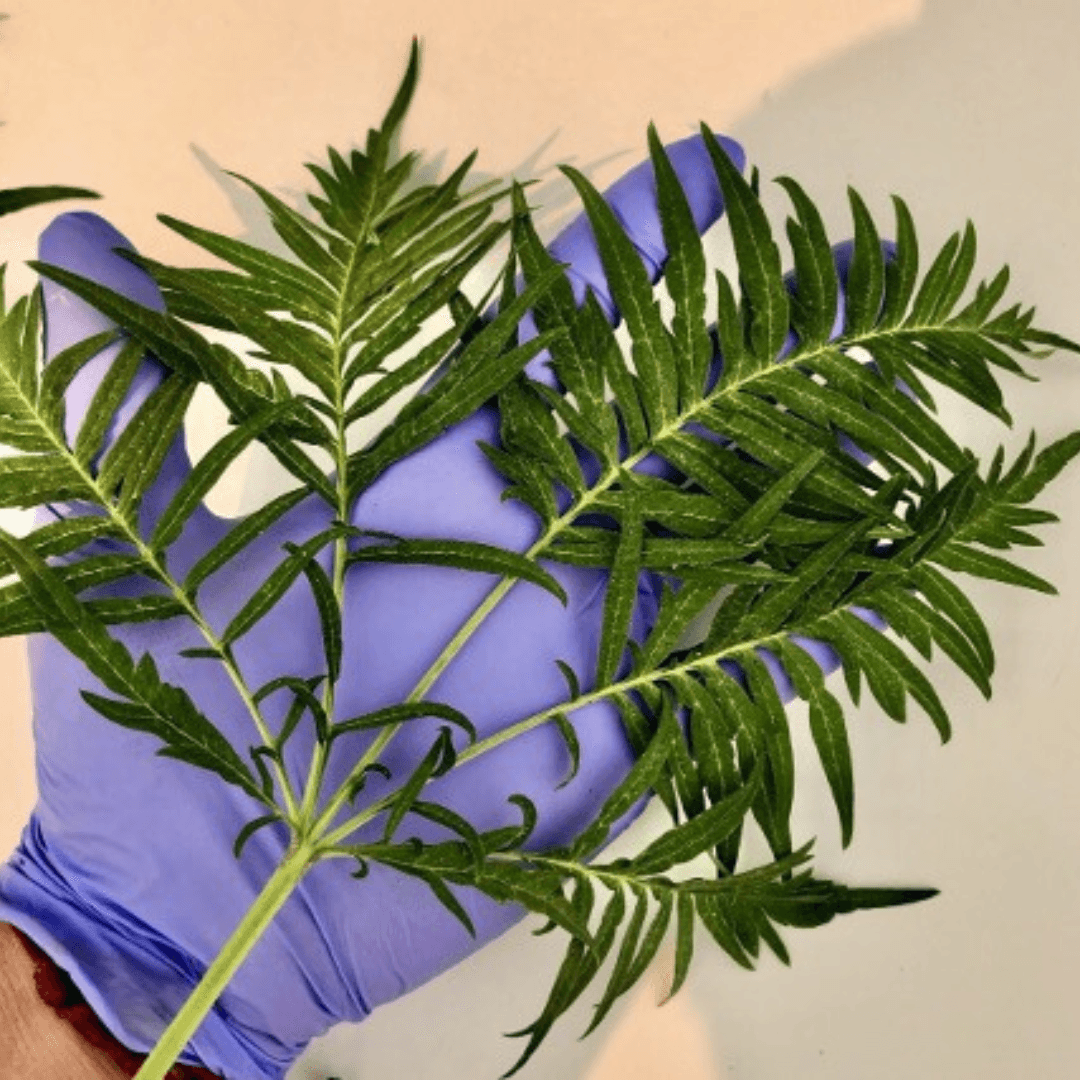
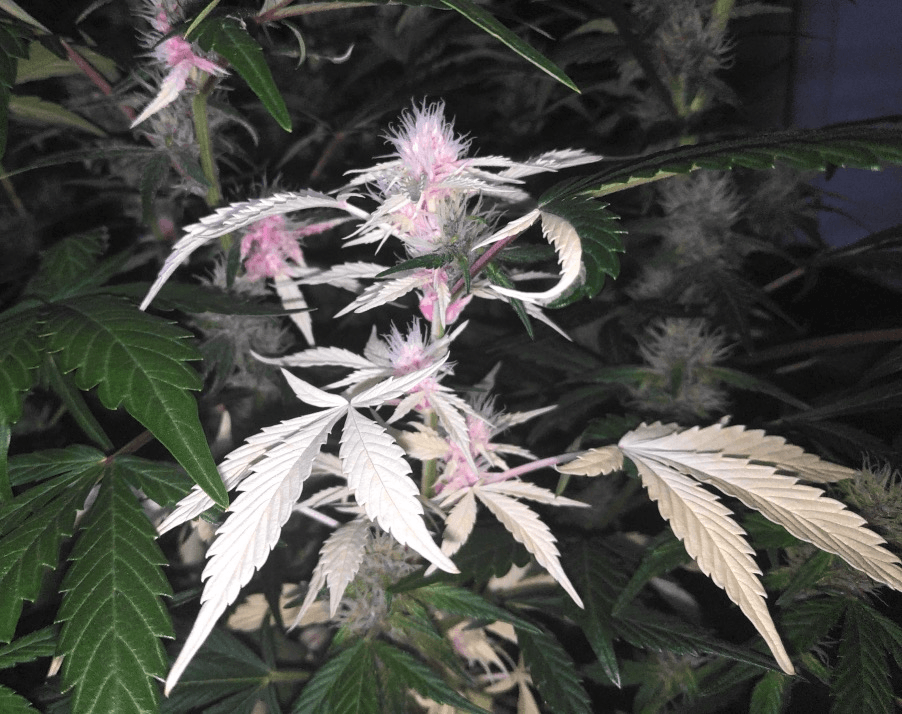
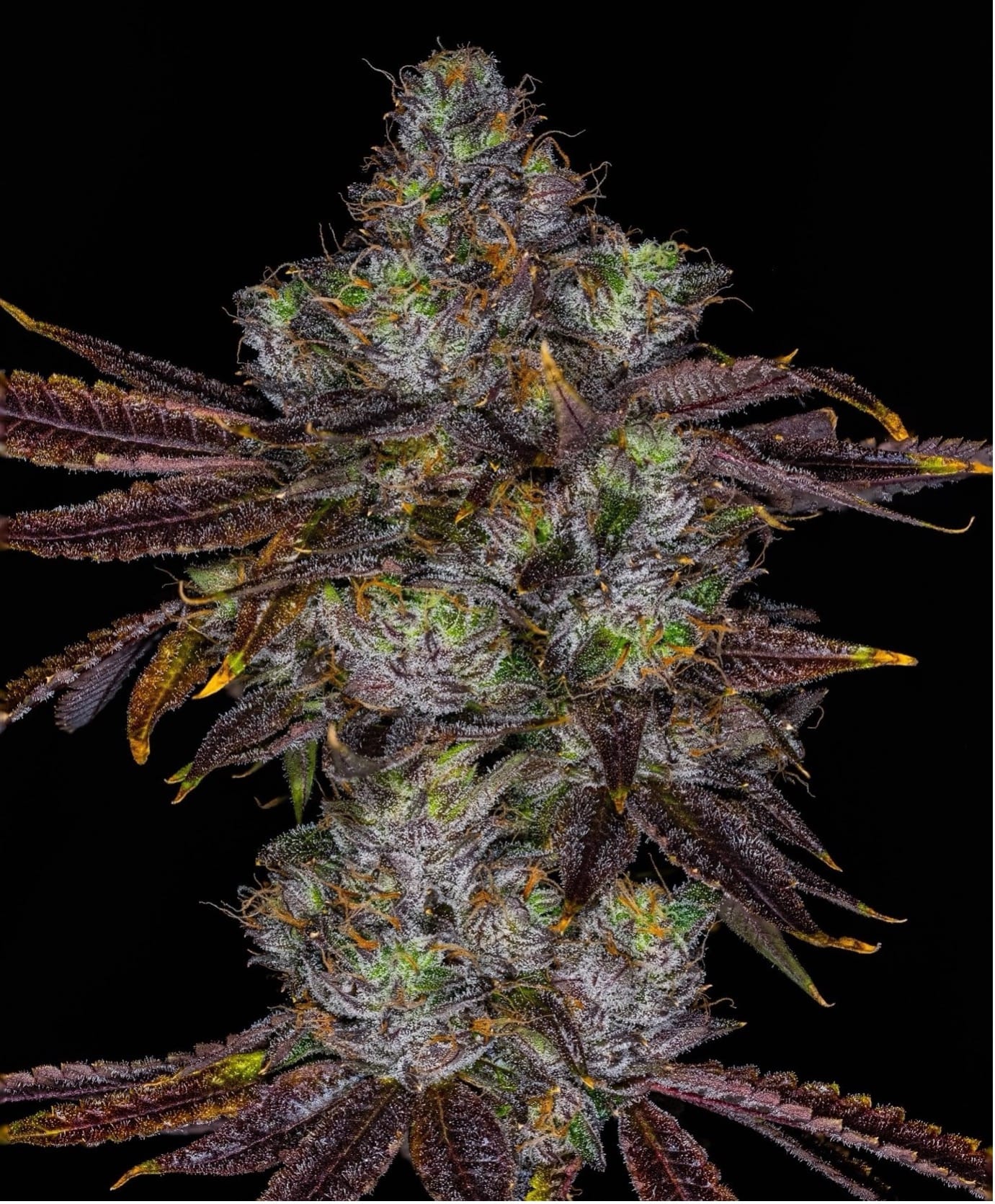
The mutations and colour across modern cannabis — duckfoot leaves, deeply serrated fern-like leaves, fasciation, albino/variegated phenotypes, extreme purple anthocyanin expression — can look like evidence of a broad gene pool. Some, like duckfoot, are documented recessives that surface when a plant inherits two copies of the same rare variant — something that happens more often when parents are closely related. A narrow breeding population is exactly what makes rare mutations visible.
Meanwhile, the many of the agronomic traits that matter commercially — yield, vigour, hardiness, potency, structure, disease tolerance — are polygenic, controlled by many genes at once, and far harder to shift. Moving them takes the kind of structured, multi-generation breeding programme the industry has never had. What it has instead is something cruder but not worthless: tens of thousands of growers popping seeds and selecting hard, every season, worldwide.
Raw Power, No Structure
Pheno-hunting does give cannabis one thing most modern crops have lost: a live, global, decentralised selection network dictated by an increasingly complex consumer palate. Every farm popping seeds is, in some small way, assaying the global gene pool. A few winners stay on-farm; fewer still pass to a breeder, get crossed or shared through the cut network. In tomatoes, strawberries or maize, that grower-found variation is confined to formal breeding programmes, nurseries and plant breeders’ rights (PBR) before it reaches the commercial pool. Cannabis has had almost none of that institutional membrane.
Part of the reason is that cannabis doesn’t reward conformity the way other crops do. A wheat farmer sells a commodity; the goal is to meet the grade. A cannabis grower sells a connoisseur product at connoisseur prices — the goal is to beat everyone else’s. The intensity of that competitive pressure turns tens of thousands of growers into a massive, informal R&D network. Its strength is that they select continuously, largely unbound by PBR. Its weakness is that almost none of the results are formally recorded, trialled, pathogen-screened or conserved in a way that lets the industry learn cumulatively — and inevitably, countless pearls are lost with the pebbles.
Key Takeaways
- Rec and pharma want different plants — and the genetics serve one or the other.
- GW Pharma built the pharmaceutical model; patients ignored it and kept buying flower.
- Twelve thousand years of landrace adaptation preceded the first deliberate cross.
- Modern hybrids: born in 1970s California, raised in Amsterdam, returned home.
- Pheno-hunting finds great plants; it cannot compound the gains across generations.
- Cannabis is heterozygous — every seed is a new genetic lottery ticket.
- The species is rich; the dispensary gene pool is a closed loop.
- Strain names are genetically meaningless — welcome to the Cookies bottleneck.
- Inbreeding costs are real: disease vulnerability, chemotype drift, a ceiling on innovation.
- Cannabis has raw breeding power but no system to compound the gains.
Read Part 2, we explore how trichomes, genomes, machine vision, polyploidy, and new breeding frontiers could finally move cannabis out of the bottleneck.
Subscribe for future articles, market insights, and developments shaping medicinal cannabis in APAC and beyond.
Join the genetics conversation at Agential Cannabis 2026, where cultivators, breeders, researchers, and commercial farms will connect in Bangkok this September.
Register by 30 June to save AUD 400 with Early Bird tickets →